Posts

Empowering Youth for Inclusive Humanitarian Action — PRCS KP Organizes Orientation Session on CEA, PGI, and YABC in Swat

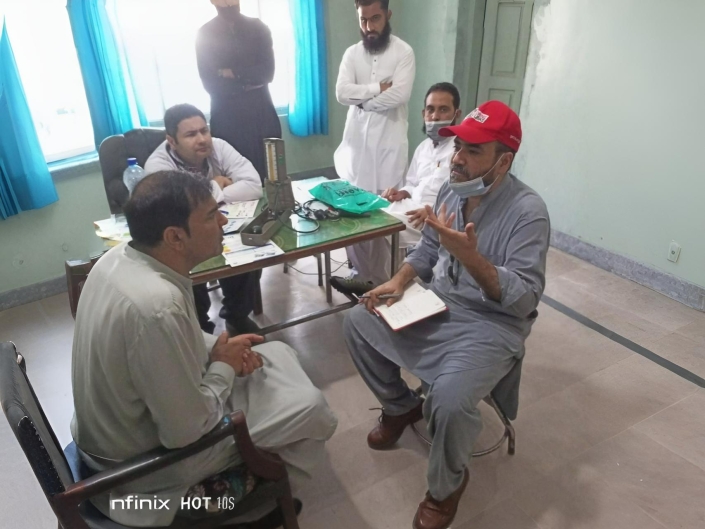
The Youth & Volunteer (Y&V) Department of the Pakistan Red Crescent Society (PRCS) Khyber Pakhtunkhwa, under the IFRC-DREF initiative, organized a comprehensive orientation session on Community Engagement and Accountability (CEA), Protection, Gender and Inclusion (PGI), and Youth as Agents of Behavioral Change (YABC) at the Government College of Management Sciences, Swat, on November 7, 2025.

The orientation brought together 44 enthusiastic volunteers from across the district, marking another step forward in PRCS’s ongoing efforts to equip young people with the knowledge and tools to serve their communities more effectively and inclusively.

Building Understanding of Inclusive Humanitarian Action

The sessions on CEA and PGI were facilitated by Ms. Sumreen Afridi, Assistant Director CEA & PGI, PRCS KP. She highlighted the importance of community-centered approaches in humanitarian work, where people affected by crises are treated not merely as beneficiaries but as active participants in decision-making and response efforts.

Ms. Afridi emphasized that accountability, transparency, and inclusion are the cornerstones of effective humanitarian service delivery. She further discussed gender-sensitive approaches and protection mechanisms designed to ensure that humanitarian actions respect and uphold the dignity and rights of all, including women, children, persons with disabilities, and marginalized groups.

Youth as Catalysts for Behavioral Change

The YABC (Youth as Agents of Behavioral Change) session was led by the Assistant Director Youth & Volunteer (Y&V), PRCS KP, who engaged participants through dynamic discussions and participatory activities. The session explored how youth can play a transformative role in promoting peace, empathy, and social cohesion within their communities.

Volunteers were encouraged to act as role models and community leaders, spreading messages of tolerance, mutual respect, and humanitarian values. The YABC approach empowers young people to influence positive behaviors among peers and inspire others to contribute toward creating a more compassionate society.

Interactive Learning and Volunteer Empowerment

Throughout the day, volunteers took part in interactive exercises, group reflections, and scenario-based simulations, enhancing their understanding of how PRCS integrates CEA, PGI, and YABC into its field operations. These practical sessions helped participants connect theoretical knowledge with real-world humanitarian challenges faced during emergencies, disasters, and community outreach activities.

Participants expressed appreciation for the opportunity to learn and share experiences, noting that such orientations deepen their understanding of the Red Cross and Red Crescent Fundamental Principles — humanity, impartiality, neutrality, independence, voluntary service, unity, and universality — which guide every action of PRCS.

Collaboration and Acknowledgment

The PRCS KP team extended heartfelt thanks to the PRCS Swat Branch for their active support and facilitation in organizing the session. Their assistance ensured the smooth conduct of the event and underscored the value of strong branch-level engagement in volunteer development.

This initiative reflects the PRCS KP’s firm commitment to empowering youth, promoting inclusive humanitarian practices, and strengthening community resilience through volunteer-led action and education.

By nurturing a generation of compassionate, skilled, and responsible volunteers, PRCS KP continues to uphold its mission of serving humanity and fostering positive behavioral change at the grassroots level.

PRCS KP Conducts First Aid Simulation Exercise on Mass Casualty Incident in Swat

The Pakistan Red Crescent Society Khyber Pakhtunkhwa (PRCS KP), with the support of the International Committee of the Red Cross (ICRC) and in collaboration with Rescue 1122, organized a First Aid Simulation Exercise on Mass Casualty Incident (MCI) at the PRCS Swat Branch.

The exercise was designed to provide hands-on experience to the Emergency Response Team (ERT) members and Rescue 1122 personnel, enhancing their preparedness and coordination during large-scale emergencies.

During the simulation, participants demonstrated practical first aid, triage management, and firefighting skills in a controlled, yet realistic environment. The scenario replicated a mass casualty situation, allowing responders to apply their training in assessing injuries, prioritizing patients, performing emergency bandaging, transporting casualties on stretchers, and managing on-site coordination effectively.

Throughout the activity, PRCS volunteers and Rescue 1122 staff worked side-by-side to ensure timely response and efficient teamwork—key components in real-life disaster or emergency operations. The exercise highlighted the importance of communication, mutual support, and rapid decision-making in saving lives when every second counts.

PRCS Khyber Pakhtunkhwa extends sincere gratitude to the ICRC and Rescue 1122 Swat for their technical assistance and continuous support in strengthening the skills and capacity of volunteers and staff. This initiative is part of PRCS KP’s ongoing commitment to enhancing community resilience and ensuring a prompt humanitarian response in times of need.

PRCS Distributes Humanitarian Aid Among 216 Deserving Families in Swat

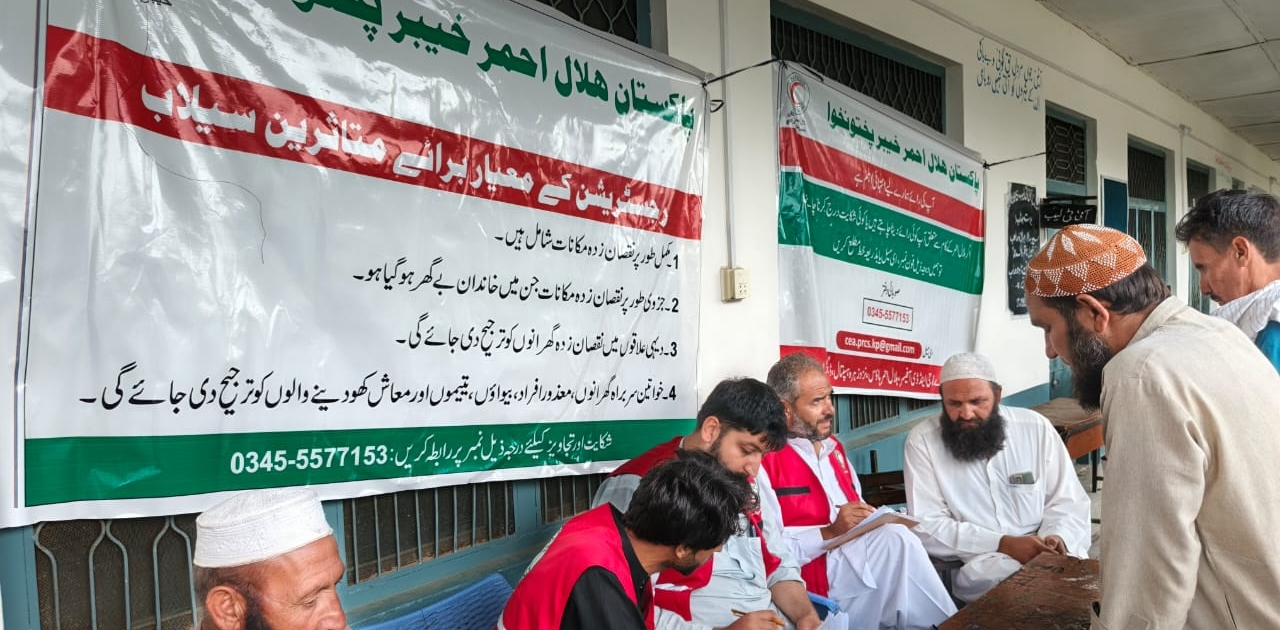
Swat — Under the special directives of Governor Khyber Pakhtunkhwa Faisal Karim Kundi and the leadership of Chairperson Pakistan Red Crescent Society (PRCS) Farzana Naek, the Pakistan Red Crescent Society, in collaboration with the International Federation of Red Cross and Red Crescent Societies (IFRC), the Turkish Red Crescent (TRC), and the Norwegian Red Cross, organized a large-scale humanitarian distribution drive to support 216 deserving families in Swat.

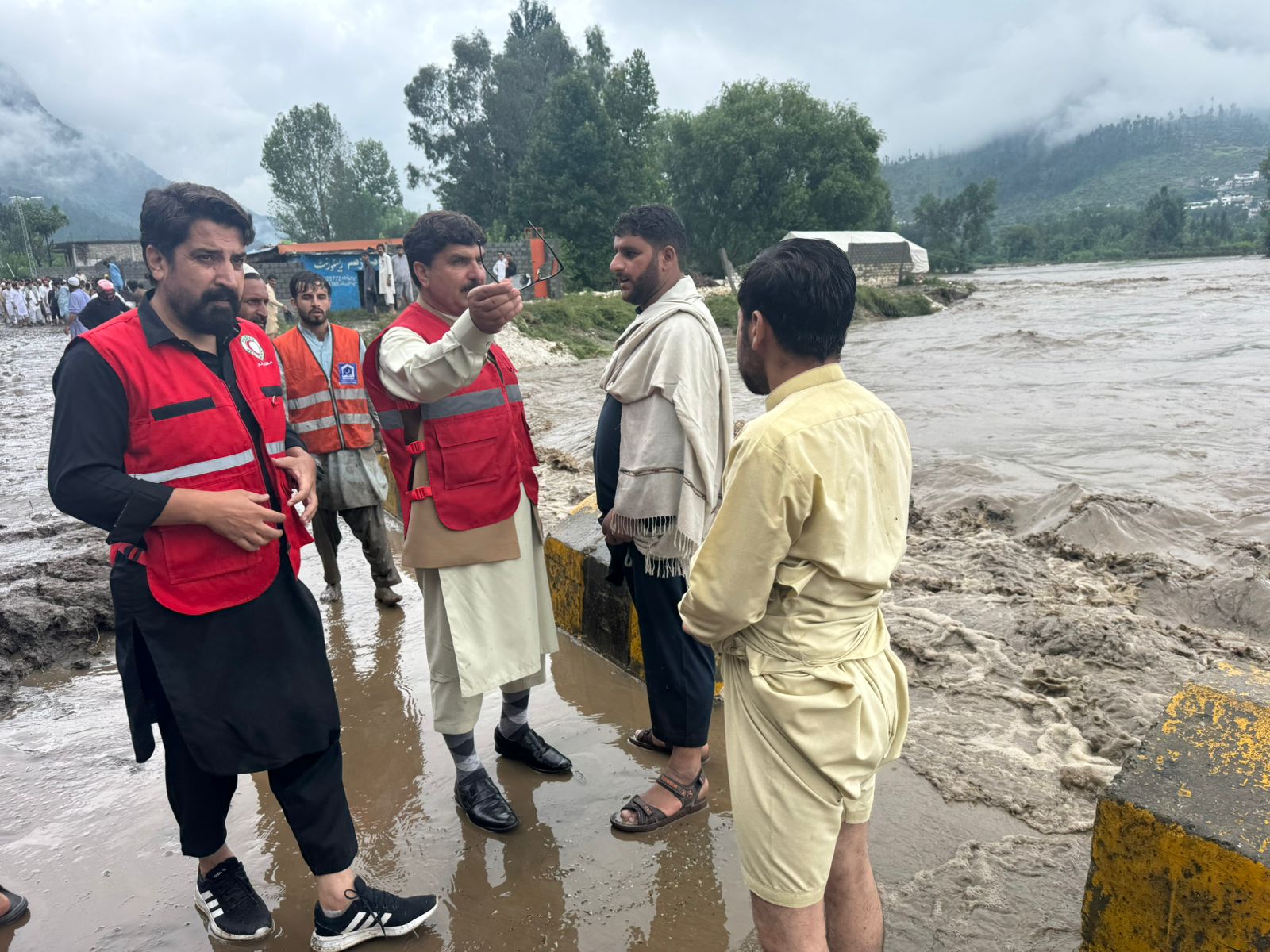
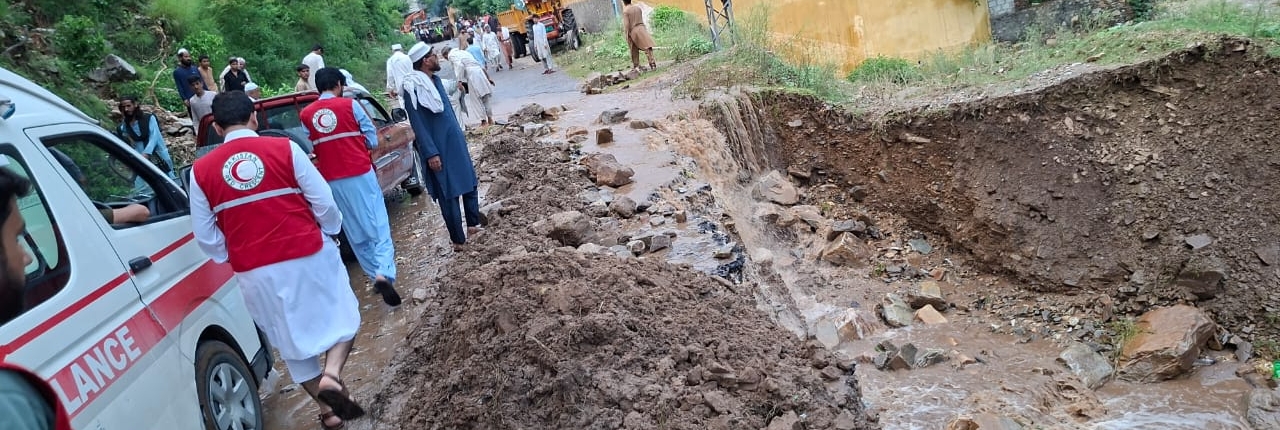
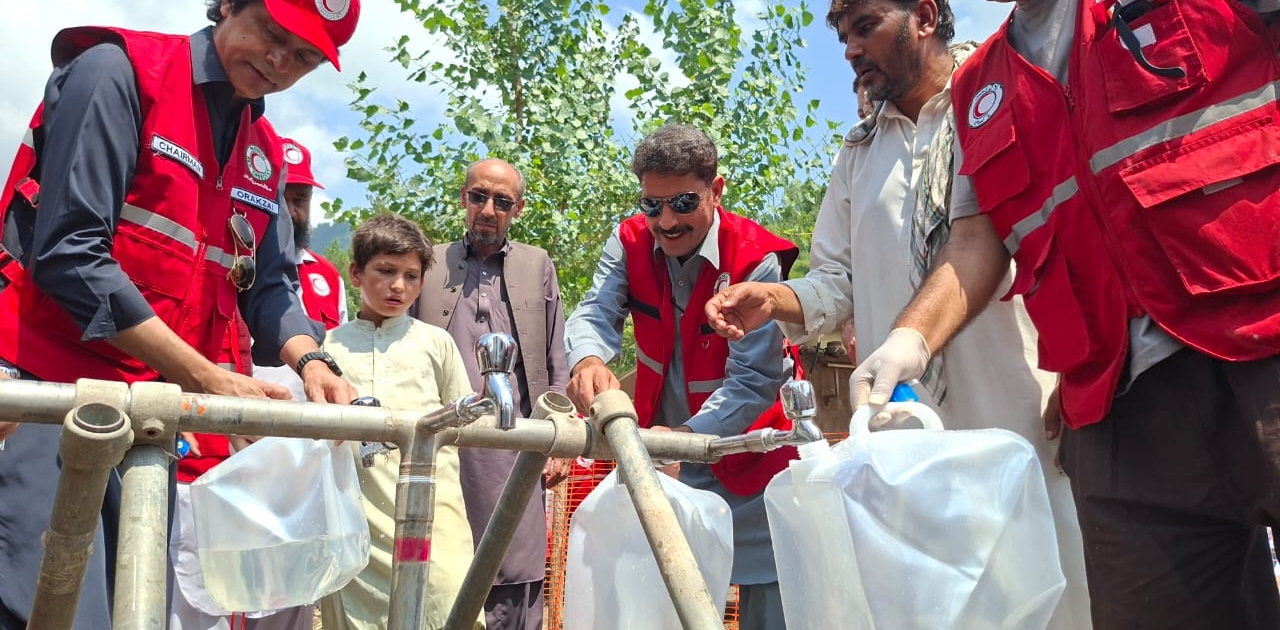
The relief packages distributed among the flood-affected families included essential food items, hygiene kits, household supplies such as buckets, mugs, and jerry cans, along with mosquito nets and bottled water — all aimed at ensuring basic living needs and disease prevention in the aftermath of the floods.

In addition to material assistance, 40 pregnant women received PKR 22,000 each, while 350 families were provided PKR 45,000 each as multi-purpose cash assistance. This initiative was designed to empower affected families to address their immediate needs with dignity and choice, in line with PRCS’s commitment to community-centered humanitarian response.

The distribution ceremony was graced by Chairperson PRCS Farzana Naek, Chairman PRCS Khyber Pakhtunkhwa Branch Farzand Ali Wazir, PRCS Secretary General Muhammad Ubaidullah Khan, IFRC Head of Delegation in Pakistan Fareed Abdul Qadeer, and TRC Head of Delegation Beiza Tanner, along with PRCS staff, volunteers, and partner representatives from the Red Cross and Red Crescent Movement.

Speaking on the occasion, Chairperson Farzana Naek reaffirmed PRCS’s unwavering dedication to serving the most vulnerable communities across Pakistan. She highlighted that this initiative underscores PRCS’s commitment to providing timely, dignified, and needs-based assistance through its provincial branches and international partners.

She extended her heartfelt gratitude to IFRC, Turkish Red Crescent, Norwegian Red Cross, and all humanitarian partners for their solidarity and continued support in advancing the mission of humanity and compassion.

Following the distribution activity, the delegation visited the PRCS Swat Branch and participated in a tree plantation drive under the Disaster Risk Reduction (DRR) Program. The initiative symbolized the organization’s commitment to resilience, sustainability, and environmental restoration as an integral part of disaster recovery efforts.

About the Initiative

This distribution drive is part of PRCS’s broader humanitarian response program aimed at supporting disaster-affected families across Khyber Pakhtunkhwa. Through strategic collaboration with international partners, PRCS continues to expand its reach, strengthen community resilience, and uphold the principles of humanity, impartiality, and voluntary service.