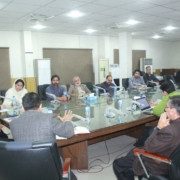
PRCS Khyber Pakhtunkhwa Holds Key Coordination Meeting Under the Chairmanship of Farzand Ali Wazir

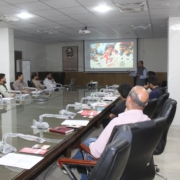
A high-level meeting of the Pakistan Red Crescent Society (PRCS) Khyber Pakhtunkhwa Branch was held under the chairmanship of Mr. Farzand Ali Wazir, Chairman PRCS Khyber Pakhtunkhwa, bringing together senior leadership and key stakeholders to review ongoing activities and future priorities.

The meeting was attended by Ms. Azra Jamshed Karim, Member and Honorary Treasurer, representatives of National Societies, Secretary General Mr. Obaidullah Khan, and officials from the PRCS National Headquarters. The presence of senior leadership highlighted the importance of coordination and strategic planning to further strengthen humanitarian operations in the province.

During the meeting, various organizational and operational issues were discussed in detail. Participants reviewed the current humanitarian situation and assessed the effectiveness of PRCS interventions, particularly the relief and response activities carried out for flood-affected communities across Khyber Pakhtunkhwa. The participants highly appreciated the timely actions, dedication, and impact of the KP Red Crescent’s relief efforts in supporting vulnerable families during emergencies.

Representatives from the National Headquarters commended the provincial branch’s performance and reaffirmed their full support for both ongoing and upcoming projects. They emphasized continued collaboration to enhance disaster preparedness, emergency response, and community-based humanitarian programs in the province.

Speaking on the occasion, Chairman Farzand Ali Wazir reaffirmed PRCS Khyber Pakhtunkhwa’s unwavering commitment to humanitarian service. He stated that the organization will continue to advance its mission of public service with greater determination, focusing on timely relief, community resilience, and support for the most vulnerable populations.

The meeting concluded with a shared resolve to further strengthen coordination, expand humanitarian initiatives, and uphold the core principles of the Pakistan Red Crescent Society in serving humanity across Khyber Pakhtunkhwa.
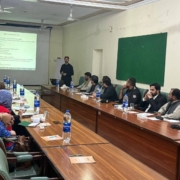
PRCS Organizes PGI Stakeholders Meeting in D.I. Khan to Strengthen Inclusive Community Action

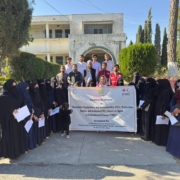
The Pakistan Red Crescent Society (PRCS) Provincial Headquarters, in collaboration with its District Branches in Dera Ismail Khan (D.I. Khan) and Tank, successfully organized a Protection, Gender, and Inclusion (PGI) Stakeholders Meeting in D.I. Khan. The meeting marked an important milestone in strengthening coordination and collaboration among key stakeholders working to address protection and inclusion challenges across the two districts.

The session brought together a diverse and influential group of participants, including representatives from government departments, academic institutions, and humanitarian organizations. Government representation included the Office of the Additional Deputy Commissioner (ADC) Tank, Health Department Tank, Police Department D.I. Khan, Social Welfare Department D.I. Khan, and the Education Department Tank. Their participation highlighted the importance of institutional ownership and inter-departmental coordination in advancing inclusive and rights-based approaches.

Academic and specialized institutions also played a vital role in the discussion. Representatives from Gomal University’s Psychology Department and the Department of Solace Autism and Rehabilitation shared insights on mental health, psychosocial support, and the needs of persons with disabilities—key components of effective PGI programming.

The meeting further benefited from the active engagement of leading humanitarian and development organizations, including SAHARA, SHARP, Sarhad Rural Support Programme (SRSP), Veer Development Foundation, Sabawon, Aghosh AlKhidmat Foundation, and WWF Pakistan. These organizations shared experiences, best practices, and ongoing initiatives aimed at protecting vulnerable populations and promoting social inclusion.

Through open dialogue and collaborative planning, participants emphasized the need for a coordinated, multi-sectoral approach to address protection risks, gender disparities, and barriers to inclusion. The meeting reinforced a shared commitment to ensuring dignity, access, safety, and meaningful participation for all, particularly women, children, persons with disabilities, and other vulnerable groups.

This PGI stakeholders meeting represents a significant step toward unified action in the D.I. Khan and Tank region. PRCS reaffirmed its dedication to working closely with government, academia, and civil society to build stronger, more inclusive communities—ensuring that no one is left behind.

Chairman PRCS Khyber Pakhtunkhwa Pays Emergency Visit to Lady Reading Hospital

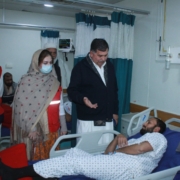
On the directives of the Honorable Governor of Khyber Pakhtunkhwa, Mr. Faisal Karim Kundi, the Chairman of Pakistan Red Crescent Society (PRCS) Khyber Pakhtunkhwa Branch, Mr. Farzand Ali Wazir, paid an emergency visit to Lady Reading Hospital (LRH), Peshawar.

During the visit, the Chairman inquired after the health of security personnel and civilians injured in the FC Building attack and expressed solidarity with the affected individuals and their families. He directed the hospital administration to ensure the provision of the best possible medical treatment and care to all injured patients.

Mr. Farzand Ali Wazir reaffirmed that the Pakistan Red Crescent Society Khyber Pakhtunkhwa will continue to extend full support and cooperation to the injured and their families at every level. He emphasized PRCS’s commitment to standing alongside communities during emergencies and crises.

The Chairman was accompanied by the PRCS medical team and doctors, who were actively engaged in providing immediate medical assistance and supporting the hospital staff in the ongoing emergency response.

PRCS Khyber Pakhtunkhwa remains dedicated to delivering timely humanitarian assistance, ensuring that those affected by emergencies receive care, compassion, and continued support in their time of need.

PRCS Khyber Pakhtunkhwa Responds Swiftly After Attack on FC Headquarters Peshawar

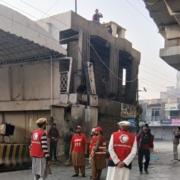
In the aftermath of the tragic attack on the FC Headquarters in Peshawar Saddar, the Pakistan Red Crescent Society (PRCS) Khyber Pakhtunkhwa Branch immediately activated its emergency response mechanism. Following the directives of the Honorable Governor Khyber Pakhtunkhwa, Faisal Karim Kundi, and PRCS KP Chairman Farzand Ali Wazir, the PRCS Ambulance Service reached the site without delay and took part in the rescue and relief operations.

Rapid Emergency Response

As soon as reports of the incident surfaced, PRCS KP mobilized its Ambulance Service, dispatching fully equipped emergency vehicles and trained responders to support the evacuation of injured individuals. The teams worked closely with local authorities, security forces, and medical facilities to ensure quick and safe transportation of victims requiring urgent care.

Leadership Oversight and Coordination

PRCS KP Chairman Farzand Ali Wazir personally supervised the emergency response efforts. Throughout the operation, he remained in contact with the field teams, ensuring effective coordination and assessing on-ground needs. His presence boosted the morale of responders working under high-pressure conditions.

Chairman Farzand Ali Wazir commended the dedication and professionalism of the ambulance crews and medical team members, acknowledging their commitment to humanitarian service during critical situations. He emphasized that the Pakistan Red Crescent Society stands ready at all times to support communities affected by emergencies, disasters, and crises.

Commitment to Humanitarian Service

PRCS KP continues to strengthen its emergency preparedness and response capacity across the province. Through trained staff, dedicated volunteers, and a network of ambulances and medical resources, the organization remains committed to saving lives and providing timely assistance during emergencies.

The PRCS KP leadership reiterated that humanitarian service is at the heart of all operational decisions, and the organization will continue to support affected families and communities with compassion and responsibility.

PRCS KP Chairman Farzand Ali Wazir Meets Governor KP to Discuss Ongoing Humanitarian Initiatives

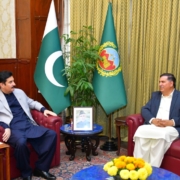
The Pakistan Red Crescent Society (PRCS) Khyber Pakhtunkhwa (KP) continues to expand its humanitarian footprint across the province. In a significant development, PRCS KP Chairman Farzand Ali Wazir met with the Honorable Governor of Khyber Pakhtunkhwa, Mr. Faisal Karim Kundi, to discuss ongoing relief, welfare, and development projects being implemented in collaboration with national and international donors.

This high-level meeting highlighted PRCS’s commitment to supporting vulnerable communities in some of the most challenging and underserved areas of KP, including Bajaur, Swat, and several other districts.


Review of Ongoing Humanitarian Projects in KP

Chairman Farzand Ali Wazir provided a comprehensive briefing on the wide range of welfare and humanitarian initiatives currently underway. These projects—supported by PRCS partners and donors—focus on:

  • Emergency relief and disaster response

  • Community health and medical support

  • Water, sanitation, and hygiene (WASH) services

  • Livelihood restoration for affected families

  • Volunteer development and community resilience

The Governor appreciated PRCS’s active presence in both urban and remote rural areas, especially in regions frequently affected by natural disasters, socio-economic challenges, and accessibility issues.


Planning to Expand Relief Operations

A key part of the discussion centered on expanding the scope of relief operations in Khyber Pakhtunkhwa. Both sides acknowledged the increasing humanitarian needs of communities and emphasized the importance of strengthening:

  • Immediate emergency response capacity

  • Health and first aid services

  • Disaster preparedness and community training

  • Long-term resilience-building initiatives

PRCS and the Governor discussed the development of new project concepts, aiming to reach a greater number of people with timely and effective humanitarian assistance.


Future Initiatives and Strengthening Donor Partnerships

The meeting also explored opportunities to enhance collaboration with existing donors while engaging new partners to support upcoming projects. These initiatives will focus on:

  • Improving healthcare access in remote regions

  • Strengthening psychosocial support services

  • Enhancing community-level disaster preparedness

  • Expanding nutritional and social protection programs

Both leaders agreed that coordinated efforts, combined with strong donor support, are essential for sustainable community development in KP.


Commitment Toward a Stronger Humanitarian Response

Governor Faisal Karim Kundi acknowledged the vital role PRCS plays in safeguarding vulnerable populations and assured full cooperation from the provincial government to scale up these efforts.

Chairman Farzand Ali Wazir reaffirmed PRCS’s continued dedication to humanitarian service, emphasizing that the organization will keep working tirelessly to bring relief, dignity, and improved living conditions to the people of Khyber Pakhtunkhwa.

Successful Completion of Two-Day SBCC Training for Routine Immunisation Field Staff in District Bannu

The Pakistan Red Crescent Society (PRCS) Bannu Branch proudly announces the successful completion of the two-day Social and Behaviour Change Communication (SBCC) Training for Routine Immunization (RI) Programme field staff in District Bannu. The training served as a significant step toward enhancing the capacity of frontline health workers and improving community health outcomes through effective communication and behaviour change strategies.

Building Skills to Strengthen Community Health

The SBCC training was designed to empower field staff with practical tools and knowledge to strengthen community engagement and address challenges commonly faced in routine immunization activities. The sessions covered a wide range of important topics, including:

  • Understanding SBCC principles and their relevance to public health

  • Identifying social, cultural, and behavioural barriers to immunization

  • Effective interpersonal communication and community mobilization

  • Techniques to build trust and encourage positive health-seeking behaviours

  • Strategies to address vaccine hesitancy and misinformation

  • Developing clear, culturally appropriate health messages

Through group discussions, case studies, and interactive learning exercises, participants gained a deeper understanding of how improved communication can lead to increased immunization acceptance and coverage.

Closing Ceremony and Certificate Distribution

The training concluded with a formal closing ceremony, graced by distinguished guests:

  • Mr. Bahram Shazada – District Secretary, PRCS Bannu

  • Dr. Rahim Agha – SKP HUB Bannu, CDC Focal Person

Both speakers delivered inspiring remarks, acknowledging the commitment of the RI field staff and the importance of such capacity-building initiatives in strengthening Pakistan’s public health systems. They highlighted the crucial role of trained frontline workers in promoting immunization, preventing outbreaks, and ensuring healthier communities.

Following their remarks, certificates were awarded to all participants in recognition of their successful completion of the training.

A Step Toward Stronger Community Health Systems

PRCS Bannu extends heartfelt gratitude to all participants, resource persons, and facilitators for their enthusiastic engagement and contributions. Their collective efforts reflect a shared commitment to enhancing community health through improved communication and behaviour change practices.

The successful completion of this training underscores PRCS’s ongoing dedication to supporting national immunization efforts and empowering frontline workers with the skills needed to effectively engage communities, dispel misconceptions, and promote life-saving health services.

PRCS KP Conducts Interactive Session on Mental Health and Psychosocial Support at IMSciences Peshawar

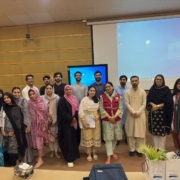
On the invitation of the Institute of Management Sciences (IMSciences), Peshawar, representatives from the Pakistan Red Crescent Society, Khyber Pakhtunkhwa Branch (PRCS KP)Ms. Samreen Afridi, Assistant Director – Community Engagement & Accountability (CEA) and Protection, Gender & Inclusion (PGI), and Mr. Zeeshan Asghar, Information Management & Reporting Officer — conducted an interactive awareness session with BS Psychology students on the theme “Integration of Mental Health and Psychosocial Support (MHPSS) during Emergencies and Disasters in Khyber Pakhtunkhwa.”

Promoting Mental Well-being in Humanitarian Response

The session aimed to enhance students’ understanding of the critical role of Mental Health and Psychosocial Support (MHPSS) in humanitarian action, particularly during disasters and emergencies. It highlighted the psychological and emotional impacts that crises can have on individuals, families, and communities, and the importance of timely psychosocial interventions to promote recovery and resilience.

Ms. Samreen Afridi discussed how PRCS KP integrates MHPSS into its disaster response and recovery operations, ensuring that the psychological needs of affected populations are addressed alongside their physical well-being. She emphasized that mental health support is a fundamental part of humanitarian response and that inclusive and community-driven approaches are essential to restoring hope and stability after traumatic events.

Understanding PRCS’s Role in Community Resilience

Mr. Zeeshan Asghar briefed participants on the PRCS’s ongoing programs and strategies for strengthening community resilience in Khyber Pakhtunkhwa, particularly through awareness campaigns, capacity-building workshops, and volunteer engagement. He elaborated on the importance of effective information management and coordination in responding to the mental health needs of vulnerable groups during crises such as floods, earthquakes, or conflict-related displacement.

Interactive Learning and Student Engagement

The session was designed to be interactive, allowing psychology students to engage with real-life examples, case studies, and field experiences shared by the PRCS team. Participants discussed the challenges of addressing mental health issues in disaster settings and explored how future professionals in psychology can contribute to humanitarian interventions through empathy, counseling, and psychosocial support.

Students expressed appreciation for the PRCS team’s visit, describing the session as inspiring, educational, and deeply relevant to their field of study. Many noted that it provided valuable insights into how psychological expertise can be applied in real-world humanitarian contexts.

Commitment to Mental Health and Humanitarian Excellence

The session concluded with an acknowledgment of the PRCS KP’s commitment to promoting mental well-being and psychosocial resilience as an integral part of disaster management and community support. Such collaborations between academic institutions and humanitarian organizations foster greater awareness, empathy, and preparedness among future professionals, ensuring a more resilient and compassionate society.

PRCS KP Conducts Orientation Session on Restoring Family Links (RFL)

The Pakistan Red Crescent Society Khyber Pakhtunkhwa (PRCS KP) organized a one-day orientation session on Restoring Family Links (RFL) under the supervision of the RFL Manager, PRCS KP. The session brought together newly appointed staff from the Norwegian Red Cross (NRC), the International Federation of Red Cross and Red Crescent Societies (IFRC), the International Committee of the Red Cross (ICRC), and core team members of PRCS.

The session aimed to enhance the understanding of participants—both new and existing staff—regarding the Restoring Family Links (RFL) services offered across Pakistan. The initiative focused on building the capacity of humanitarian workers to support the restoration of family connections, particularly for individuals and families separated due to conflict, disaster, migration, or other humanitarian crises.

Strengthening Humanitarian Response Through RFL

During the orientation, the RFL Manager briefed participants on the fundamental principles, operational mechanisms, and coordination structure of RFL activities implemented nationwide. The session covered key aspects such as tracing requests, restoring contact between separated family members, family reunification, and the importance of maintaining confidentiality and dignity in handling sensitive cases.

Participants also gained insights into how RFL operations align with the Red Cross and Red Crescent Movement’s global humanitarian mandate—to protect family unity and uphold human dignity in times of crisis.

Interactive Learning and Shared Experiences

The session provided an engaging platform for participants to exchange experiences and discuss practical approaches to improving RFL service delivery. Through interactive discussions, case studies, and real-life examples, the attendees explored how technology, coordination, and community outreach can be effectively used to trace and reconnect separated families.

Commitment to Humanitarian Excellence

At the conclusion of the session, participants expressed their appreciation for PRCS KP’s initiative, describing the orientation as informative, insightful, and highly valuable for enhancing professional capacity. They emphasized that such learning opportunities not only strengthen staff understanding of RFL services but also contribute to improving the quality and reach of humanitarian assistance provided to those in need.

The Pakistan Red Crescent Society Khyber Pakhtunkhwa remains committed to upholding the humanitarian values of the Red Cross and Red Crescent Movement by ensuring that families torn apart by crises can once again be reunited, restoring hope and connection where it is needed most.

Empowering Youth for Inclusive Humanitarian Action — PRCS KP Organizes Orientation Session on CEA, PGI, and YABC in Swat

The Youth & Volunteer (Y&V) Department of the Pakistan Red Crescent Society (PRCS) Khyber Pakhtunkhwa, under the IFRC-DREF initiative, organized a comprehensive orientation session on Community Engagement and Accountability (CEA), Protection, Gender and Inclusion (PGI), and Youth as Agents of Behavioral Change (YABC) at the Government College of Management Sciences, Swat, on November 7, 2025.

The orientation brought together 44 enthusiastic volunteers from across the district, marking another step forward in PRCS’s ongoing efforts to equip young people with the knowledge and tools to serve their communities more effectively and inclusively.

Building Understanding of Inclusive Humanitarian Action

The sessions on CEA and PGI were facilitated by Ms. Sumreen Afridi, Assistant Director CEA & PGI, PRCS KP. She highlighted the importance of community-centered approaches in humanitarian work, where people affected by crises are treated not merely as beneficiaries but as active participants in decision-making and response efforts.

Ms. Afridi emphasized that accountability, transparency, and inclusion are the cornerstones of effective humanitarian service delivery. She further discussed gender-sensitive approaches and protection mechanisms designed to ensure that humanitarian actions respect and uphold the dignity and rights of all, including women, children, persons with disabilities, and marginalized groups.

Youth as Catalysts for Behavioral Change

The YABC (Youth as Agents of Behavioral Change) session was led by the Assistant Director Youth & Volunteer (Y&V), PRCS KP, who engaged participants through dynamic discussions and participatory activities. The session explored how youth can play a transformative role in promoting peace, empathy, and social cohesion within their communities.

Volunteers were encouraged to act as role models and community leaders, spreading messages of tolerance, mutual respect, and humanitarian values. The YABC approach empowers young people to influence positive behaviors among peers and inspire others to contribute toward creating a more compassionate society.

Interactive Learning and Volunteer Empowerment

Throughout the day, volunteers took part in interactive exercises, group reflections, and scenario-based simulations, enhancing their understanding of how PRCS integrates CEA, PGI, and YABC into its field operations. These practical sessions helped participants connect theoretical knowledge with real-world humanitarian challenges faced during emergencies, disasters, and community outreach activities.

Participants expressed appreciation for the opportunity to learn and share experiences, noting that such orientations deepen their understanding of the Red Cross and Red Crescent Fundamental Principles — humanity, impartiality, neutrality, independence, voluntary service, unity, and universality — which guide every action of PRCS.

Collaboration and Acknowledgment

The PRCS KP team extended heartfelt thanks to the PRCS Swat Branch for their active support and facilitation in organizing the session. Their assistance ensured the smooth conduct of the event and underscored the value of strong branch-level engagement in volunteer development.

This initiative reflects the PRCS KP’s firm commitment to empowering youth, promoting inclusive humanitarian practices, and strengthening community resilience through volunteer-led action and education.

By nurturing a generation of compassionate, skilled, and responsible volunteers, PRCS KP continues to uphold its mission of serving humanity and fostering positive behavioral change at the grassroots level.

ICRC Delegation Visits PRCS Bannu Branch to Review Ongoing Activities

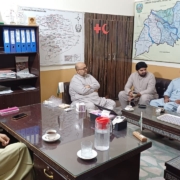
A delegation from the International Committee of the Red Cross (ICRC) Sub-delegation Peshawar paid an official visit to the Pakistan Red Crescent Society (PRCS) District Branch Bannu to strengthen coordination and review the branch’s ongoing humanitarian activities.

Upon their arrival, the delegation was warmly received by PRCS District Branch Secretary Mr. Bahram Shahzada Durrani, who extended his gratitude to the ICRC team for their continued support and collaboration with PRCS in humanitarian services across Khyber Pakhtunkhwa.
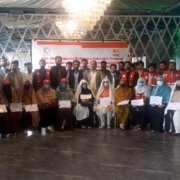
During the meeting, the District Secretary provided a comprehensive briefing on the branch’s ongoing initiatives, including health services, disaster response, first aid training programs, and community-based activities aimed at enhancing resilience among vulnerable populations. The discussion also focused on future areas of cooperation, ways to strengthen field coordination, and strategies to enhance volunteer capacity for timely response during emergencies.

The ICRC delegation appreciated the efforts of PRCS Bannu Branch in effectively implementing humanitarian activities at the community level and reaffirmed their commitment to continue supporting PRCS in achieving its mission of alleviating human suffering and serving those in need.

The visit concluded with a shared resolve to further deepen collaboration between PRCS and ICRC for sustainable and impactful humanitarian action in the region.