PRCS Khyber Pakhtunkhwa Conducts Strategic Session on Multi-Year Climate Change Strategy
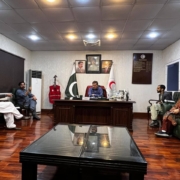
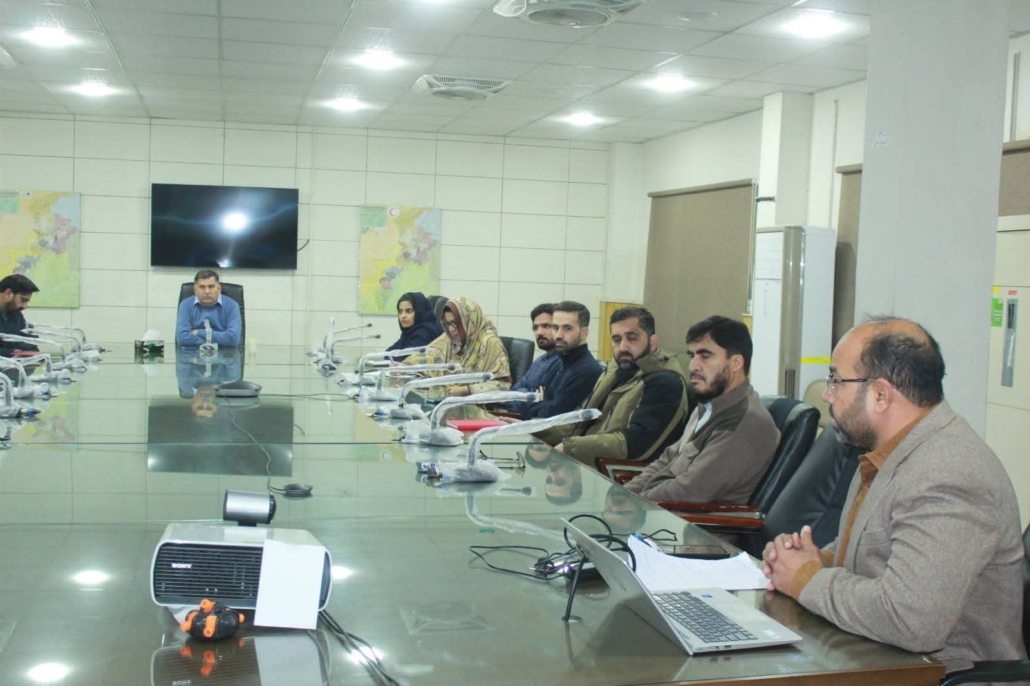
On December 31, 2025, the Pakistan Red Crescent Society (PRCS) Khyber Pakhtunkhwa Branch organized an official and highly significant session focusing on the development of a Multi-Year Climate Change Strategy. The session was attended by Sector Managers of ongoing programs along with support staff members, reflecting PRCS KP’s institutional commitment to addressing climate-related challenges through informed planning and coordinated action.
Strengthening Climate Awareness and Strategic Planning
The primary objective of the session was to enhance participants’ understanding of climate change and its far-reaching impacts, particularly in the context of Khyber Pakhtunkhwa, a region increasingly vulnerable to climate-induced disasters. The session aimed to strengthen long-term planning capacities and ensure the effective integration of environmentally friendly and climate-resilient approaches into PRCS KP’s ongoing and future humanitarian programs.
Expert Facilitation and Institutional Guidance
The session was facilitated by Mr. Ayaz Ali, Assistant Director (AD), who delivered a comprehensive and insightful briefing on climate change challenges specific to the province. His presentation covered key areas including long-term strategic planning, anticipated climate risks, and the institutional roles and responsibilities required to effectively respond to these challenges. The discussion provided practical guidance on how sector managers can align their programmatic interventions with climate adaptation and mitigation goals.
Support from the German Red Cross
PRCS Khyber Pakhtunkhwa expressed sincere appreciation to the German Red Cross for providing financial support for the session under the CACRA Project. This support played a crucial role in facilitating knowledge-sharing and capacity-building efforts aimed at strengthening climate action within the organization.
Chairman’s Remarks: Climate Change as a Humanitarian Priority
In his opening remarks, Mr. Farzand Ali Wazir, Chairman PRCS Khyber Pakhtunkhwa, emphasized that climate change has emerged as a global concern with direct consequences for human life, public health, and the humanitarian sector. He highlighted that addressing climate change requires more than policy-level interventions and stressed the importance of positive behavioral change at both individual and collective levels.
The Chairman further stated that PRCS Khyber Pakhtunkhwa will make efforts to reduce its ecological footprint a mandatory component of all program implementations. He emphasized that staff at every level of the organization are expected to actively fulfill their responsibilities in promoting environmental sustainability. He also reaffirmed PRCS KP’s commitment to working closely with local communities to implement sustainable, inclusive, and impactful measures to combat climate change in the years ahead.
Way Forward and Institutional Commitment
At the conclusion of the session, participants reiterated their commitment to strengthening institutional climate action and acknowledged the session as a valuable step toward informed, future-oriented, and climate-resilient planning. The session marked an important milestone in PRCS KP’s efforts to embed climate considerations into humanitarian programming and institutional decision-making.
PRCS Khyber Pakhtunkhwa remains committed to playing a proactive role in addressing climate change challenges while safeguarding vulnerable communities and promoting sustainable development across the province.