PRCS KP Conducts Interactive Session on Mental Health and Psychosocial Support at IMSciences Peshawar
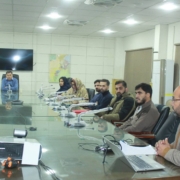
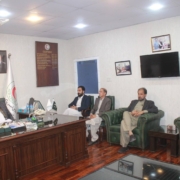
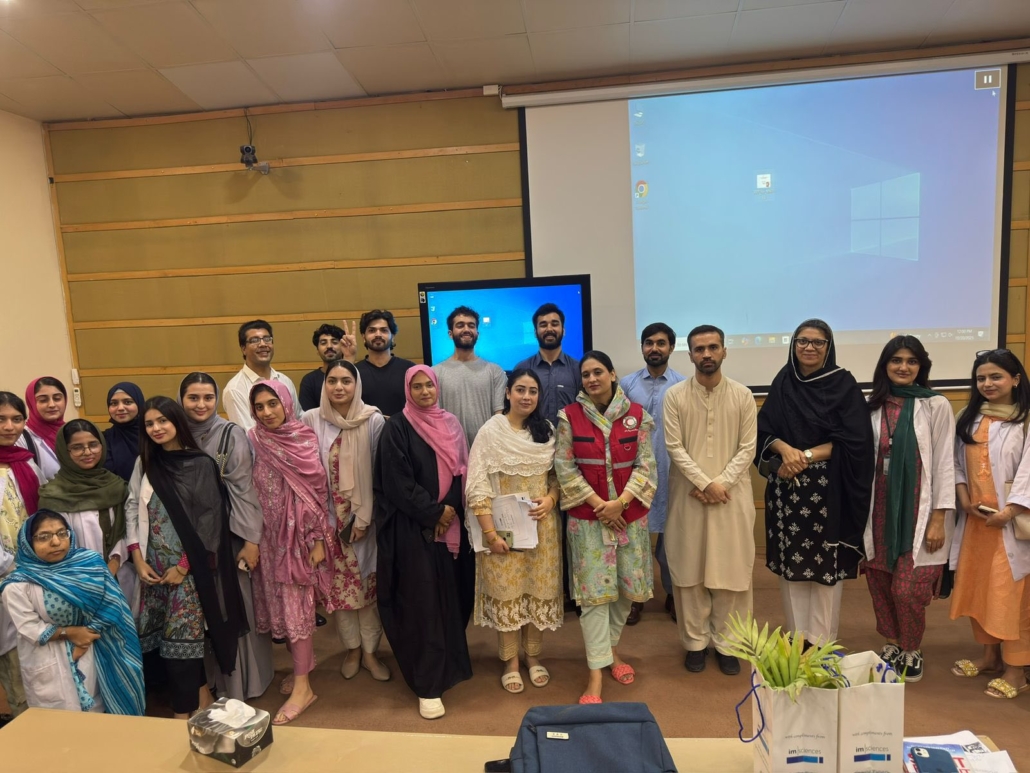
On the invitation of the Institute of Management Sciences (IMSciences), Peshawar, representatives from the Pakistan Red Crescent Society, Khyber Pakhtunkhwa Branch (PRCS KP) — Ms. Samreen Afridi, Assistant Director – Community Engagement & Accountability (CEA) and Protection, Gender & Inclusion (PGI), and Mr. Zeeshan Asghar, Information Management & Reporting Officer — conducted an interactive awareness session with BS Psychology students on the theme “Integration of Mental Health and Psychosocial Support (MHPSS) during Emergencies and Disasters in Khyber Pakhtunkhwa.”
Promoting Mental Well-being in Humanitarian Response
The session aimed to enhance students’ understanding of the critical role of Mental Health and Psychosocial Support (MHPSS) in humanitarian action, particularly during disasters and emergencies. It highlighted the psychological and emotional impacts that crises can have on individuals, families, and communities, and the importance of timely psychosocial interventions to promote recovery and resilience.
Ms. Samreen Afridi discussed how PRCS KP integrates MHPSS into its disaster response and recovery operations, ensuring that the psychological needs of affected populations are addressed alongside their physical well-being. She emphasized that mental health support is a fundamental part of humanitarian response and that inclusive and community-driven approaches are essential to restoring hope and stability after traumatic events.
Understanding PRCS’s Role in Community Resilience
Mr. Zeeshan Asghar briefed participants on the PRCS’s ongoing programs and strategies for strengthening community resilience in Khyber Pakhtunkhwa, particularly through awareness campaigns, capacity-building workshops, and volunteer engagement. He elaborated on the importance of effective information management and coordination in responding to the mental health needs of vulnerable groups during crises such as floods, earthquakes, or conflict-related displacement.


Interactive Learning and Student Engagement
The session was designed to be interactive, allowing psychology students to engage with real-life examples, case studies, and field experiences shared by the PRCS team. Participants discussed the challenges of addressing mental health issues in disaster settings and explored how future professionals in psychology can contribute to humanitarian interventions through empathy, counseling, and psychosocial support.
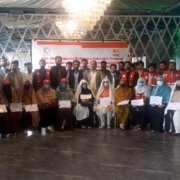
Students expressed appreciation for the PRCS team’s visit, describing the session as inspiring, educational, and deeply relevant to their field of study. Many noted that it provided valuable insights into how psychological expertise can be applied in real-world humanitarian contexts.
Commitment to Mental Health and Humanitarian Excellence
The session concluded with an acknowledgment of the PRCS KP’s commitment to promoting mental well-being and psychosocial resilience as an integral part of disaster management and community support. Such collaborations between academic institutions and humanitarian organizations foster greater awareness, empathy, and preparedness among future professionals, ensuring a more resilient and compassionate society.