Posts

Successful Completion of Two-Day SBCC Training for Routine Immunisation Field Staff in District Bannu

The Pakistan Red Crescent Society (PRCS) Bannu Branch proudly announces the successful completion of the two-day Social and Behaviour Change Communication (SBCC) Training for Routine Immunization (RI) Programme field staff in District Bannu. The training served as a significant step toward enhancing the capacity of frontline health workers and improving community health outcomes through effective communication and behaviour change strategies.

Building Skills to Strengthen Community Health

The SBCC training was designed to empower field staff with practical tools and knowledge to strengthen community engagement and address challenges commonly faced in routine immunization activities. The sessions covered a wide range of important topics, including:

  • Understanding SBCC principles and their relevance to public health

  • Identifying social, cultural, and behavioural barriers to immunization

  • Effective interpersonal communication and community mobilization

  • Techniques to build trust and encourage positive health-seeking behaviours

  • Strategies to address vaccine hesitancy and misinformation

  • Developing clear, culturally appropriate health messages

Through group discussions, case studies, and interactive learning exercises, participants gained a deeper understanding of how improved communication can lead to increased immunization acceptance and coverage.

Closing Ceremony and Certificate Distribution

The training concluded with a formal closing ceremony, graced by distinguished guests:

  • Mr. Bahram Shazada – District Secretary, PRCS Bannu

  • Dr. Rahim Agha – SKP HUB Bannu, CDC Focal Person

Both speakers delivered inspiring remarks, acknowledging the commitment of the RI field staff and the importance of such capacity-building initiatives in strengthening Pakistan’s public health systems. They highlighted the crucial role of trained frontline workers in promoting immunization, preventing outbreaks, and ensuring healthier communities.

Following their remarks, certificates were awarded to all participants in recognition of their successful completion of the training.

A Step Toward Stronger Community Health Systems

PRCS Bannu extends heartfelt gratitude to all participants, resource persons, and facilitators for their enthusiastic engagement and contributions. Their collective efforts reflect a shared commitment to enhancing community health through improved communication and behaviour change practices.

The successful completion of this training underscores PRCS’s ongoing dedication to supporting national immunization efforts and empowering frontline workers with the skills needed to effectively engage communities, dispel misconceptions, and promote life-saving health services.

Chairman PRCS KP Visits Mobile Health Unit and Medical Camp in Flood-Affected Areas of Buner

Buner, Khyber Pakhtunkhwa – October 2025:
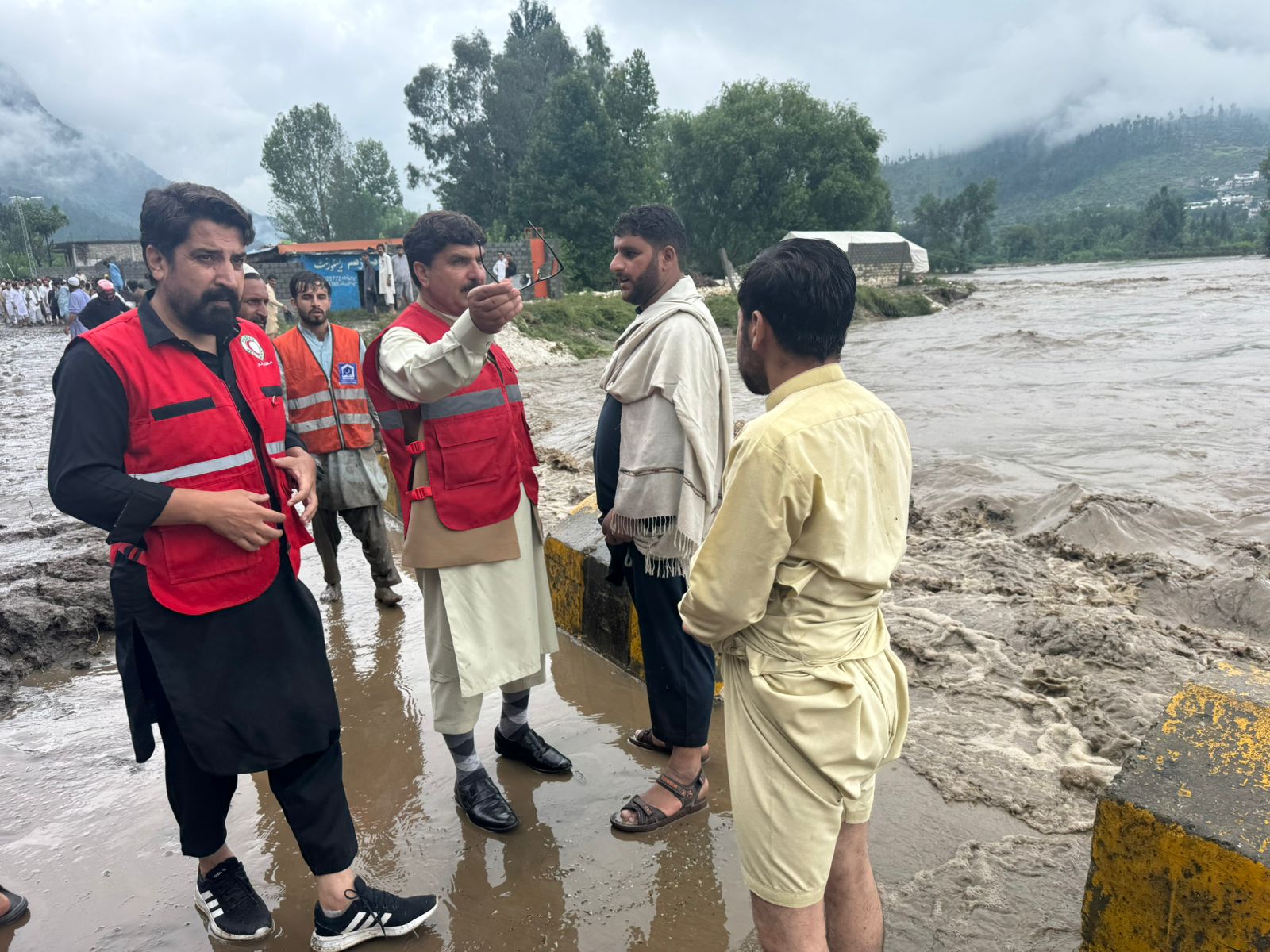
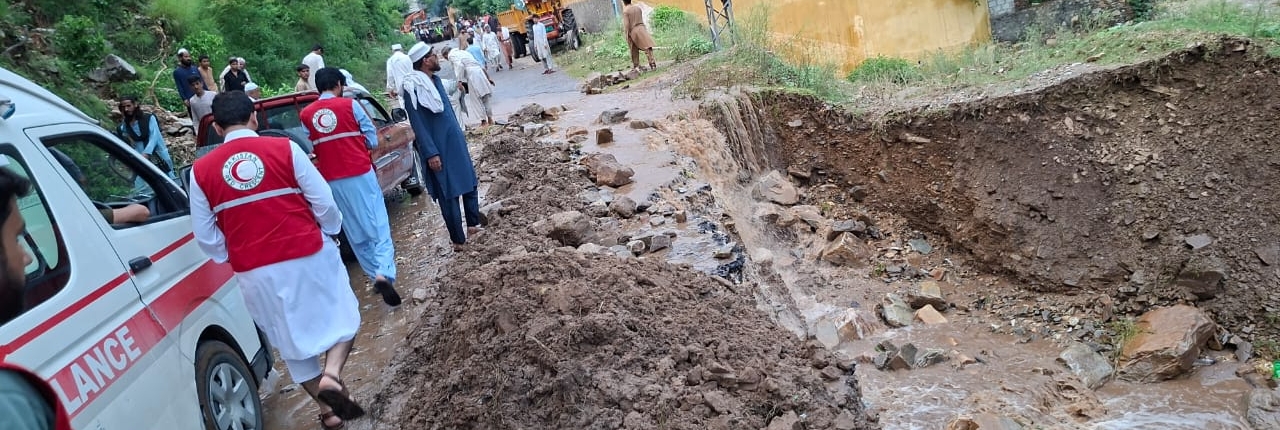
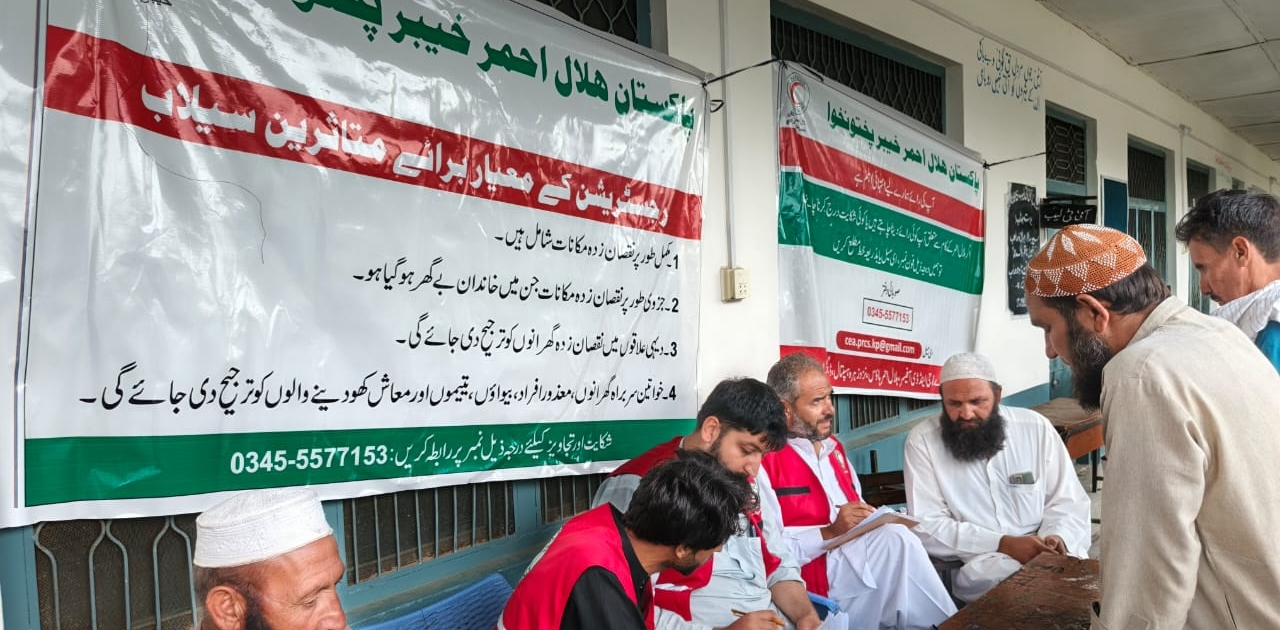
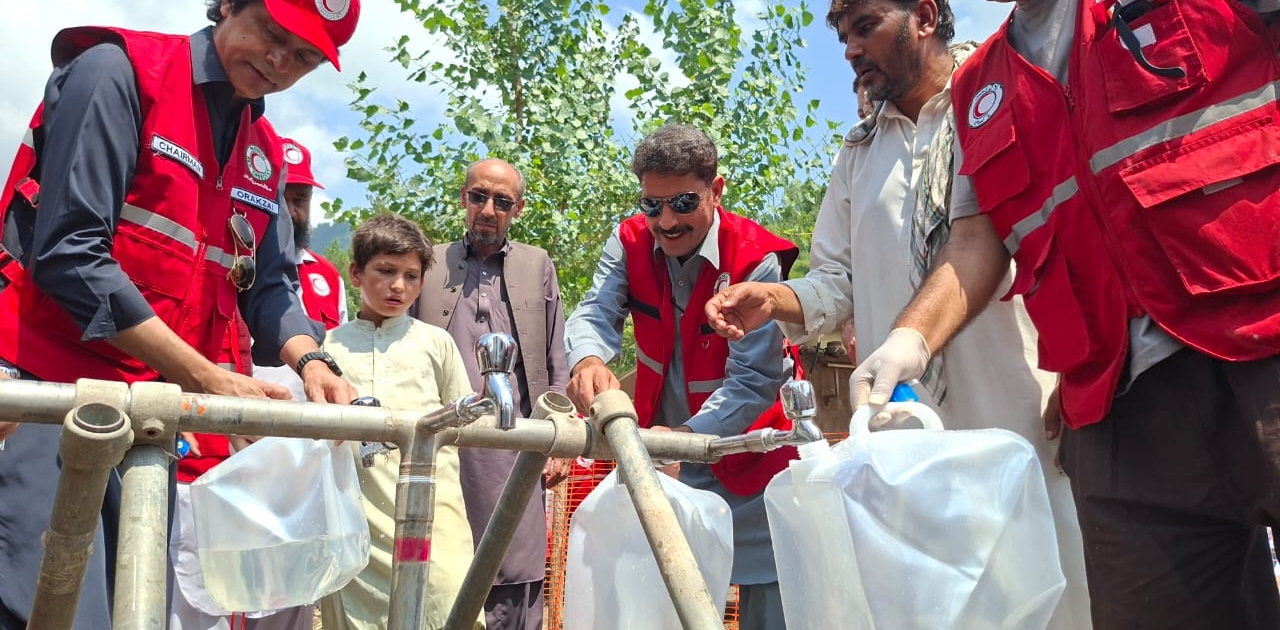
The Chairman of Pakistan Red Crescent Society (PRCS) Khyber Pakhtunkhwa Branch, Mr. Farzand Ali Wazir, visited the Mobile Health Unit (MHU) and Medical Camp established in the flood-affected areas of District Buner. The visit aimed to assess healthcare delivery, review medical facilities, and ensure that flood-affected communities continue to receive timely and quality medical services.

Providing Healthcare to the Most Vulnerable

During the visit, Chairman Farzand Ali Wazir personally reviewed the availability of medicines, functioning of medical facilities, and performance of the field staff working tirelessly in challenging conditions. He interacted with the healthcare workers and local residents to better understand their needs and the impact of the services being provided.

Expressing satisfaction over the standard of care, Mr. Wazir appreciated the dedication of PRCS medical and volunteer teams who continue to serve disaster-hit families with compassion and professionalism. He reaffirmed PRCS’s mission to make essential healthcare accessible to those in need, especially in remote and vulnerable communities.

Mobile Health Units – Bringing Relief to Doorsteps

Highlighting the importance of mobile healthcare, Chairman Farzand Ali Wazir said:

“The Mobile Health Units are playing a vital role in providing free medical care and timely relief to vulnerable communities. These services bring healthcare directly to those who might otherwise remain unreached, ensuring that no one is left behind in times of crisis.”

The Mobile Health Unit and Medical Camp in Buner provide essential healthcare services such as general consultations, maternal and child health, disease prevention, and first aid, supported by qualified medical staff and dedicated volunteers. These mobile facilities have become lifelines for many families who lost access to healthcare due to flood damages.

Recognizing the Spirit of Service

Commending the field teams and volunteers, the Chairman noted that their commitment exemplifies the true spirit of humanity, empathy, and selfless service.

“Our teams in the field are the real heroes of our humanitarian mission. Their dedication reflects the core values of the Red Cross and Red Crescent Movement—serving people in need without discrimination,” he said.

Commitment to Compassionate Action

Under the leadership of Chairman Farzand Ali Wazir, the PRCS Khyber Pakhtunkhwa Branch continues to deliver critical humanitarian assistance across the province, including medical aid, cash assistance, disaster relief operations, and health awareness programs. By deploying Mobile Health Units and emergency response teams, PRCS KP ensures that healthcare and relief services reach those who need them most, upholding the values of humanity, neutrality, and voluntary service.

About PRCS Khyber Pakhtunkhwa Branch

The Pakistan Red Crescent Society Khyber Pakhtunkhwa Branch is a leading humanitarian organization dedicated to alleviating human suffering and building resilient communities. Through its strong volunteer network and collaboration with international partners, PRCS KP continues to respond to emergencies, promote public health, and strengthen disaster preparedness across the province.